

Paving – Minimising the Negative Effects to Wildlife and the Environment
Estimated reading time 2 minutes
Having designed numerous gardens where our clients have either inherited vast expanses of paved area or where our client needs to create more parking space we’ve come up with a few fail-safe hacks to ensure that our completed designs work hard to benefit wildlife, contribute to responsible water management and ultimately please their owners!

Paving where its needed
Really consider having paving only where it is purposefully needed and break these areas up further with planting to benefit wildlife and increase drainage. So perhaps consider using stepping stones in a lawn or incorporating more planting pockets into terraces.
Gravel areas are a great option too, providing a base for a table and chairs while offering opportunities to plant plants like thyme that are hardy enough to be stepped upon therefore benefitting wildlife and our senses.
With our clients we always work to a minimum ratio of 60% planting 40% hard landscaping and use a varied planting that provides different wildlife benefits throughout the seasons. Making sure that we design your planting palette with your specific site (soil, aspect etc) in mind, so that your plants will thrive is essential.
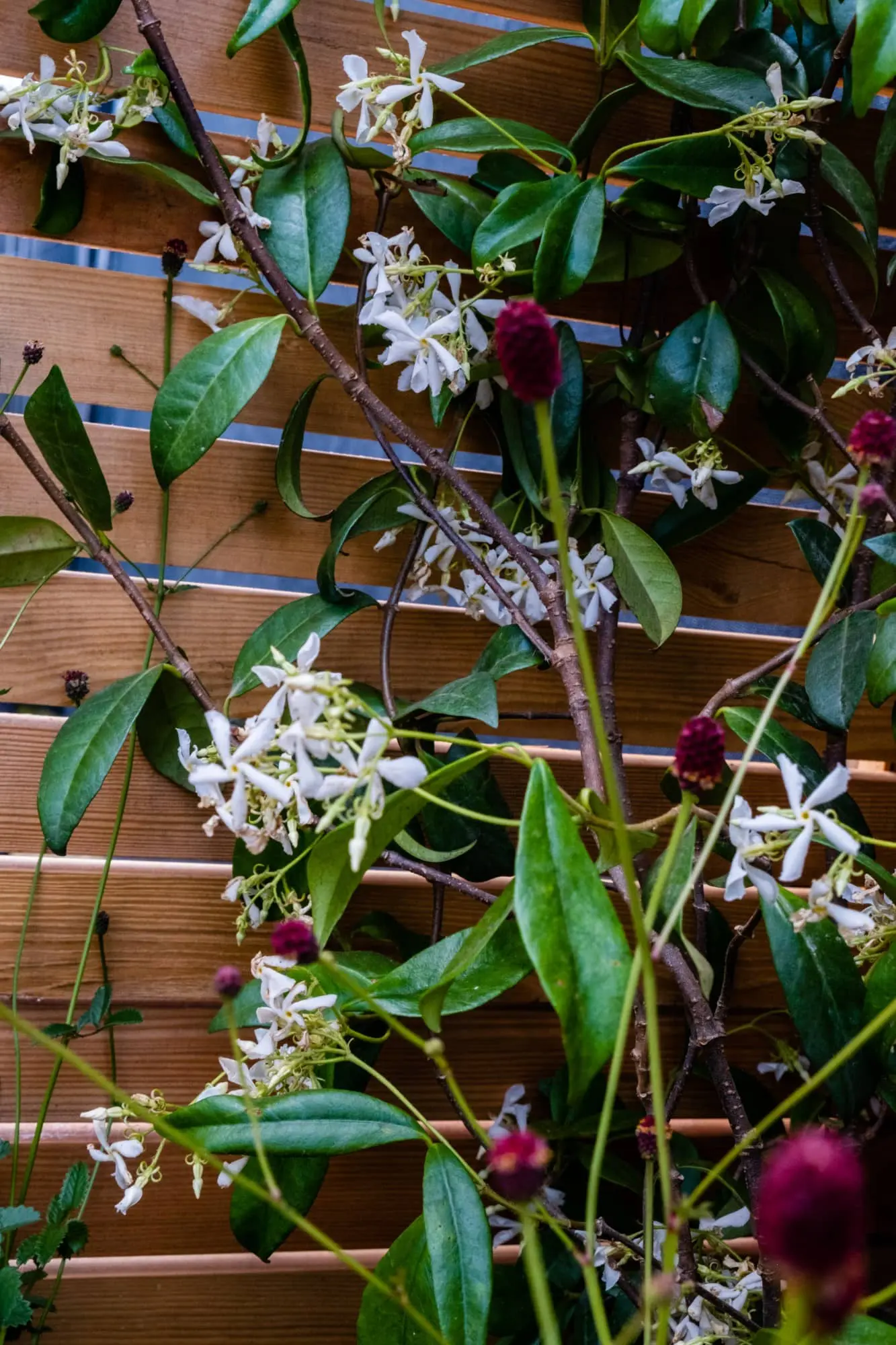
Think vertically
Remember to think vertically if your square meterage is limited, use walls, fences and pergolas to add climbers and plant trees.
There is a tree (or trees) for every space no matter how small as demonstrated in our Lunch Break garden at RHS Hampton Court 2022!
Ultimately the more plants you introduce the better - for everyone's enjoyment, from shade and protection, to food and colour, gardens are a place for all beings to benefit.
Get In Touch
For advice on negating the paved areas in your garden call us to chat about what you can achieve!
Email hello@inspiredearthdesign.co.uk
Jude 07917 208655
Emily 07799 292573